
Your program, ready to review.
Build from AUSTRAC Starter Kit templates. Review, edit and export a program for your practice.
See everything inside your programAML Mate helps Australian practices draft AML/CTF programs, manage client checks and organise compliance records.
From your first program draft to the records you keep every day.
Build from AUSTRAC Starter Kit templates. Review, edit and export a program for your practice.
See everything inside your programWork through KYC and KYB checks, then keep the supporting records together.
Review alerts, track calendar dates and manage reporting records as your practice grows.
Privacy Policy, Collection Notice, Data Breach Plan and Retention Schedule.
These are starting-point templates, not legal advice. Review them with your adviser before use.
Find the program tools and practical guidance for your profession.
Lawyers & solicitors
Bring your AML program, client checks and source of funds records together in one place.
Explore the legal guide
Enter your ABN, select your industry, and tell us about the services you provide.
Work through the questions about your clients, services and risks.
Review your draft program and risk assessment, then export your documents.
Check which of your services may be covered.
No account or card needed.
Free screenshot tutorials
Follow AUSTRAC Online one step at a time, with screenshots you can enlarge.
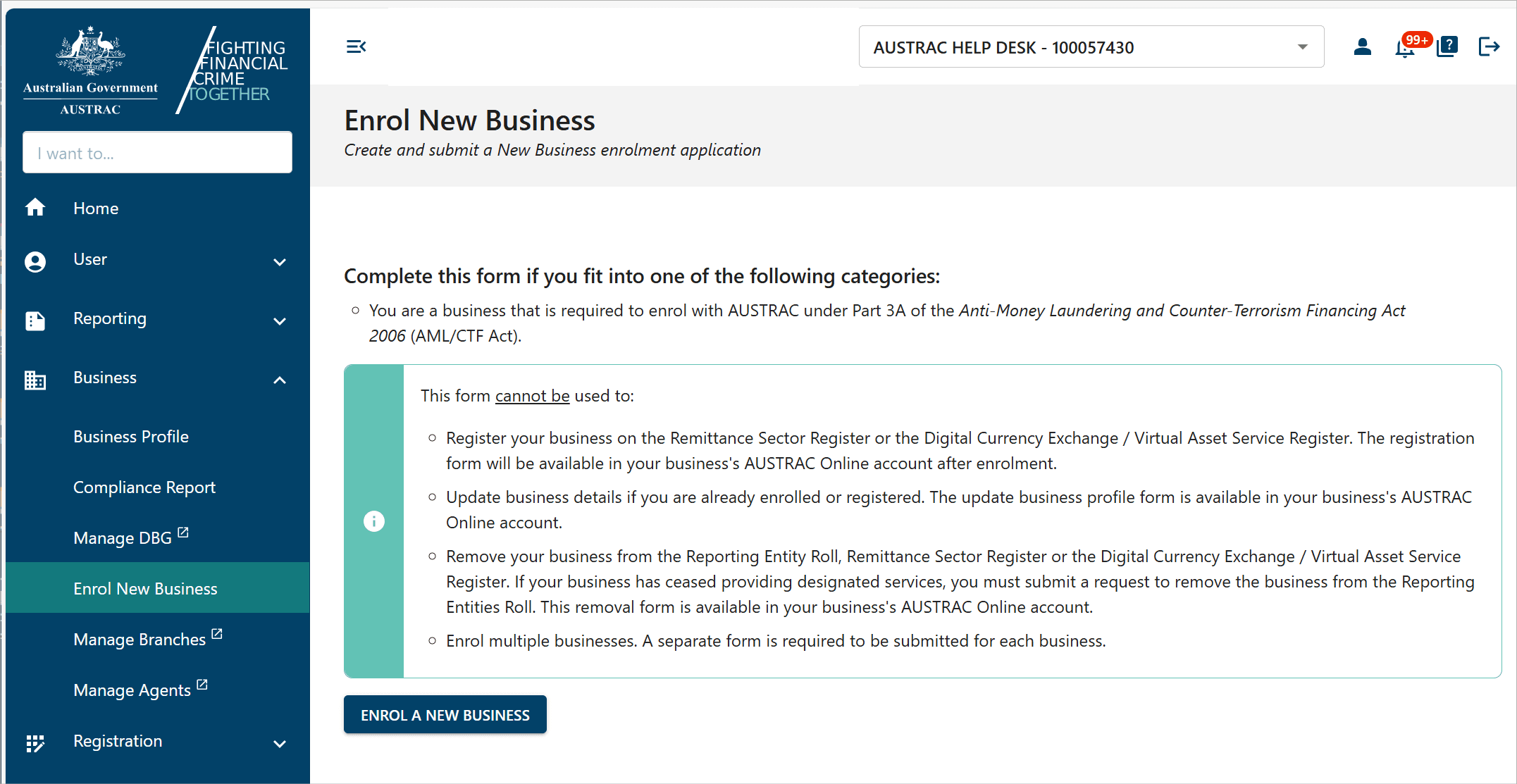
Screenshot © AUSTRAC, Commonwealth of Australia 2026. CC BY 4.0. AUSTRAC does not endorse AML Mate.
Enrolment closed on 29 July 2026. For most Tranche 2 firms the next date AUSTRAC actually puts in your calendar is 1 July 2027, when the first annual compliance report window opens. Everything in between runs on triggers you have to notice yourself, not dates anyone reminds you about. Here is what those triggers are, and what should be in your file by the end of August.
The two-partner practice, the farming family partnership, the tennis club selling its clubhouse. These clients fall outside the company and trust templates, and AUSTRAC has a CDD guide written for exactly them. Here is who you identify, what verifies what, why 20% can mean you skip someone, and the strata carve-out most firms have not noticed.
Ongoing customer due diligence is the part of the regime that never finishes, and three months in it is the part most small firms have not started. AUSTRAC says monitoring can be manual, automated or both, and spells out what a manual routine looks like. Here is that routine for a small Tranche 2 firm: what to look for, when a client's risk rating and KYC information must be reviewed, and what to write down.
AML Mate is AML/CTF software for Australian accountants, legal practices, conveyancers, real estate businesses and jewellers. It helps you draft and review your program, manage client due diligence, prepare reports and organise ongoing compliance records in one place.
AUSTRAC regulates designated services with a geographical link to Australia. These include certain services provided by accountants, lawyers, conveyancers, real estate professionals, trust and company service providers, and dealers in precious metals and stones. Your obligations depend on the services you provide, not just your job title or business size.
Sources checked 13 October 2026.
Paid plans start at $49 AUD/month, including GST. Eligible accounts get a 14-day free trial. A card is required at checkout. Your subscription automatically renews at your selected monthly price unless you cancel before the trial ends. During the trial you can build and use your program and records in the app. Downloading the program and audit pack unlocks with your first payment, and you can start paying early at any time. Accounts that have already used a trial, or choose to skip it, start with payment. The free check requires no signup or card.
No. AML Mate helps you prepare SMR and TTR records and an internal annual summary. You submit the required reports yourself through AUSTRAC Online. Saving, exporting or marking a record as lodged in AML Mate does not send it to AUSTRAC or confirm that AUSTRAC accepted it.
No. A generated document is a starting point. Your business must tailor its program to its risks, have it approved by a senior manager, apply it in daily operations and keep it current. AML Mate supports that work; it does not certify compliance or provide legal advice.
Sources checked 13 October 2026.
Check whether you provide a designated service with a geographical link to Australia. If you do, you must apply to enrol no later than 28 days after the day you start providing it. If that deadline has passed, act promptly and contact AUSTRAC if you need help. Complete the enrolment form in AUSTRAC Online. Creating an AML Mate account does not enrol your business.
Sources checked 13 October 2026.
Yes. Our six free tutorials walk you through creating an account, enrolling your business, lodging reports and what to do after you lodge. Follow the screenshots at your own pace and click any image to enlarge it. You do not need an AML Mate account to read them.
14-day trial. Your selected plan starts billing after 14 days. Cancel before your trial ends to avoid a charge. Program and audit pack downloads unlock with your first payment.